How to Care for an Elderly Person: The Essentials
Published 2026-09-22 · By Elderly Care Malaysia (operated by Tenteram Care Sdn Bhd)
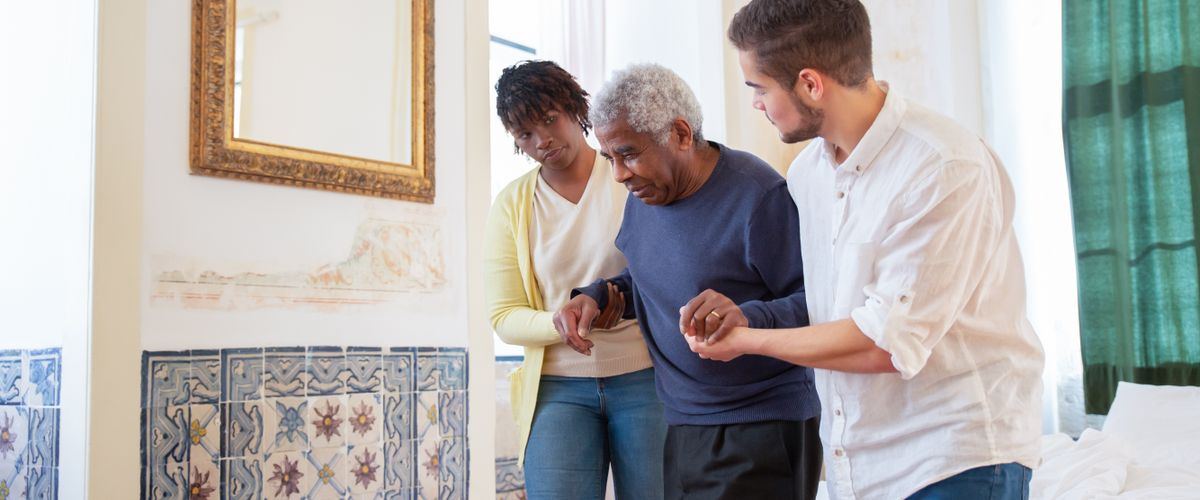
Caring for an elderly person comes down to six essentials: keeping their health monitored, their medication on track, their body fed and moving safely, their mind connected to people, and their affairs in order, while making sure the caregiver survives too. This page is the foundation; everything else on this site builds on it.
Keep an eye on health
You do not need medical training to be your parent’s early-warning system.
- Know their baseline (usual energy, appetite, sleep, mood) so you notice change.
- Keep a simple record: blood pressure or sugar readings if relevant, weight, new symptoms, and every doctor’s visit.
- Attend appointments when you can, and keep one list of all diagnoses and medications to show any doctor.
- Sudden confusion, a fall, or rapid weight loss are never “just old age”. Get them checked.
If you are unsure whether your parent’s changes are serious, our guide to the signs a parent needs care lists the red flags families most often miss.
Get medication routines right
Medication errors are among the most common and most dangerous problems in elderly care.
- Use a weekly pill organiser, filled on the same day each week.
- Tie doses to fixed daily events (breakfast, dinner, bedtime) so they are rarely missed.
- Keep one master list of every medication, dose and timing, and bring it to every appointment.
- Never stop or restart a medication without the doctor, even if your parent “feels fine”.
Feed them well
Appetite, taste and chewing ability all decline with age, and malnutrition in the elderly is common and quiet.
- Serve smaller, more frequent meals rather than three large ones.
- Prioritise protein (eggs, fish, chicken, tofu, dhall) at every meal to protect muscle.
- Keep water visible and offer it often; elderly people feel less thirst and dehydrate easily.
- Adapt textures to chewing and swallowing ability, and check dentures fit.
Protect mobility and prevent falls
Falls are the single biggest accident risk for the elderly, and one bad fall can end independent living.
- Encourage daily movement within their ability: short walks, simple stretches, sit-to-stand exercises.
- Clear walkways of loose rugs, cables and clutter; add night lights between bed and bathroom.
- Install grab bars and non-slip mats in the bathroom, the most dangerous room in the house.
- Check eyesight and footwear. Both are fall risks that are easy to fix.
Keep them connected
Loneliness damages elderly health as surely as illness does. An elderly person who sees nobody declines faster, physically and mentally.
- Build regular contact into the week: family visits, phone calls, meals together, faith activities.
- Give them a role, however small: folding laundry, shelling peas, advising the grandchildren. Being needed is medicine.
- If the family lives far away, a companion caregiver or senior day care provides both supervision and company.
Sort finances and paperwork
The unglamorous essential. While your parent can still participate:
- Know where the documents are: identity card, bank details, insurance, property papers, will.
- Set up a simple system for paying bills and tracking care expenses.
- Check eligibility for government help: Bantuan Warga Emas provides RM500 a month through JKM for qualifying seniors, detailed in our government aid guide.
- Discuss wishes early (care preferences, medical decisions) while your parent can speak for themselves.
Keep a simple care file
One folder, physical or digital, saves endless scrambling: the medication list, doctor contacts, appointment dates, IC and insurance copies, bank details, and a page of your parent’s daily routine and preferences. When a sibling, a new caregiver or a locum doctor steps in, that file is the difference between continuity and chaos.
You do not have to do it all
Read back over this page and notice something: it is a full-time job. Nobody should feel guilty for not doing all of it alone, on top of their own work and children.
Most Malaysian families end up combining their own care with paid help: a part-time caregiver for the hours nobody is home, or home care support for the tasks that need training. Starting with a few hours of help a week is not a failure of love; it is how love stays sustainable. And if you are already stretched thin, read our guide to caregiver burnout before the exhaustion makes the decision for you.
Frequently asked questions
What are the most important parts of caring for an elderly person?
Medication given correctly and on time, fall prevention at home, regular meals and hydration, health monitoring, and keeping them socially connected.
How do I know if my parent needs more care than I can give?
Watch for warning signs: missed medications, falls, weight loss, poor hygiene, unattended mail and bills, or your own exhaustion as a caregiver.
Can I care for an elderly parent while working full-time?
Many families do, by combining their own time with part-time caregivers, senior day care, or live-in help. Few people manage it entirely alone.