Free Old Folks Homes in Malaysia: What Exists and Who Qualifies
Published 2026-09-22 · By Elderly Care Malaysia (operated by Tenteram Care Sdn Bhd)
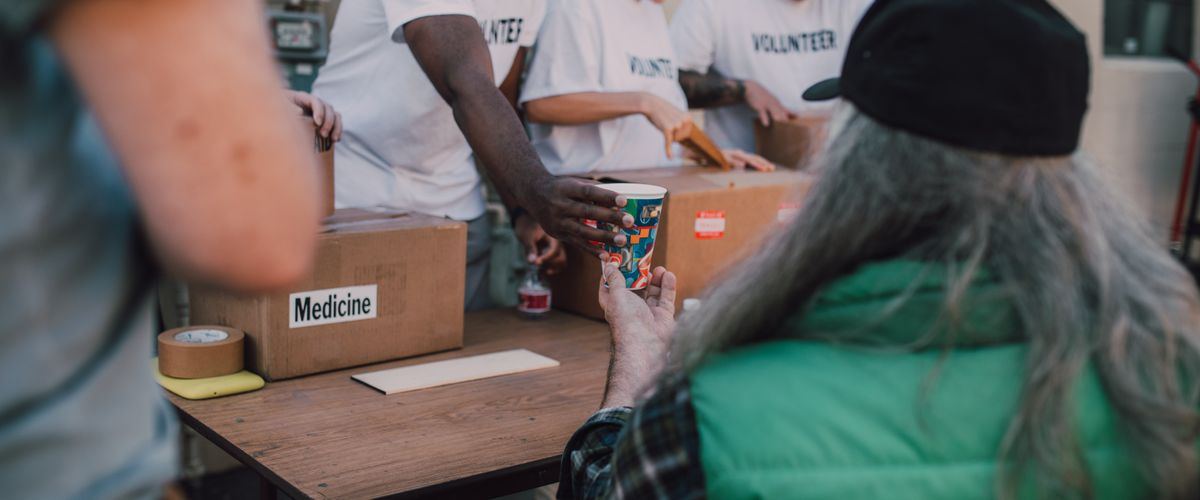
Yes, free old folks homes exist in Malaysia, but they serve specific groups. The government runs Rumah Seri Kenangan homes for destitute citizens aged 60 and above, and NGO or charity homes take residents free or on a donation basis up to about RM1,500 a month. Both come with eligibility rules, waiting lists and trade-offs worth understanding before you apply.
Option 1: Rumah Seri Kenangan (government homes)
Rumah Seri Kenangan are free government homes for elderly Malaysians who genuinely have no one and nothing. The eligibility bar is strict:
- Malaysian citizen, aged 60 or above
- Destitute: no income of their own
- No family member able to support them
That last condition is the one that excludes most applicants. If there are adult children who can contribute, the home is generally not available. The scheme is a safety net for the destitute, not a subsidised option for families. Places are also limited.
How to apply: through JKM at your district welfare office, the Pejabat Kebajikan Masyarakat Daerah. The district office will assess eligibility against the current criteria.
Option 2: NGO and charity homes
The second free-or-nearly-free route is the charity sector. NGO and faith-based homes across Malaysia take elderly residents for free up to about RM1,500 a month, usually on a donation basis. Many are faith-linked (Buddhist, Christian, Muslim and Hindu organisations all run homes), which for some families is a feature in itself.
Expect:
- Waiting lists. Popular charity homes are full more often than not.
- Donation-based fees. “Free” often means “pay what you can,” and homes rely on donations to operate.
- Variable standards. Some charity homes are excellent; others are stretched thin. Check registration and visit in person.
Daily life in these homes is communal: shared rooms, shared meals, simple routines, and in faith-linked homes, shared religious observance. Some residents thrive on exactly that companionship and structure. Others, especially parents used to privacy, find the adjustment hard. Visit, eat a meal there if they let you, and watch how staff speak to residents before you decide.
The honest trade-offs of free care
Free and donation-based homes do real good, and families should go in with eyes open:
- Care level is basic. Expect daily-living support (meals, shelter, supervision), not nursing. A parent with medical needs (tube feeding, wound care, post-stroke care) needs a different setting; the JKM vs MOH licence guide explains why.
- Shared rooms, limited privacy. Private rooms are rare at this end of the sector.
- Limited choice. Location, roommates, routines and food are largely fixed. You take the place that is available.
- Waiting lists. “Free” and “available now” rarely coincide.
None of this makes free homes a bad option. For a destitute senior, or a family with genuinely no budget, they are the difference between care and no care. The mistake is expecting them to be a like-for-like substitute for paid care.
When free options don’t fit: realistic alternatives
If your parent does not qualify for Rumah Seri Kenangan and the charity waiting lists are closed, the realistic budget ladder looks like this:
- Budget JKM-registered homes: RM1,500-3,000 a month. Basic but registered and inspected care centres. Our nursing home cost guide breaks down what each tier buys.
- Part-time home care: from around RM800 a month. If your parent can stay at home, a few hours of paid help a week costs far less than residential care. See home caregiver costs.
- Bantuan Warga Emas: RM500 a month. JKM cash aid for eligible poor elderly. It will not fund a home, but it offsets home-care costs. Details in our government aid guide.
Many families combine these: a parent at home, part-time paid help, Bantuan Warga Emas where eligible, and siblings splitting the difference.
How to start
- Contact your district JKM office (Pejabat Kebajikan Masyarakat Daerah) and ask two questions: does my parent qualify for Rumah Seri Kenangan, and are we eligible for Bantuan Warga Emas?
- Approach charity homes directly. Expect waiting lists, and visit before committing.
- If the budget stretches to RM1,500 or more, compare registered budget homes rather than waiting indefinitely; registration is the floor you should not go below.
If the options feel overwhelming, talk to a care advisor. We will tell you honestly whether a free route is realistic for your parent’s situation, and what the affordable paid alternatives look like if it is not.
Free care in Malaysia exists, and for the right family it is a lifeline. The skill is knowing quickly whether your parent qualifies, and not burning months on waiting lists if they do not. Start with the district JKM office this week; every answer on this page begins there, and the visit costs nothing but an afternoon.
Frequently asked questions
Are there free old folks homes in Malaysia?
Yes. Government Rumah Seri Kenangan homes are free for destitute Malaysian citizens aged 60 and above with no income and no family able to support them. NGO and charity homes take residents free or on a donation basis up to about RM1,500 a month.
Who qualifies for Rumah Seri Kenangan?
Destitute Malaysian citizens aged 60 and above who have no income and no family able to support them. Eligibility is strict and places are limited. Apply through JKM at your district welfare office.
How do charity old folks homes work?
NGO and charity homes charge nothing to around RM1,500 a month on a donation basis. Many are faith-linked (Buddhist, Christian, Muslim and Hindu organisations run homes) and waiting lists are common.
What is the catch with free elderly homes?
Care is basic daily-living support rather than nursing, rooms are shared, privacy and choice are limited, and waiting lists are common. Free homes are a safety net, not a like-for-like substitute for paid care.
What if my parent does not qualify for a free home?
Realistic alternatives include budget JKM-registered homes at RM1,500-3,000 a month, or part-time home care from around RM800 a month. Bantuan Warga Emas (RM500/month) can offset costs for eligible poor elderly.