10 Signs Your Parent Needs More Help Than They Admit
Published 2026-09-22 · By Elderly Care Malaysia (operated by Tenteram Care Sdn Bhd)
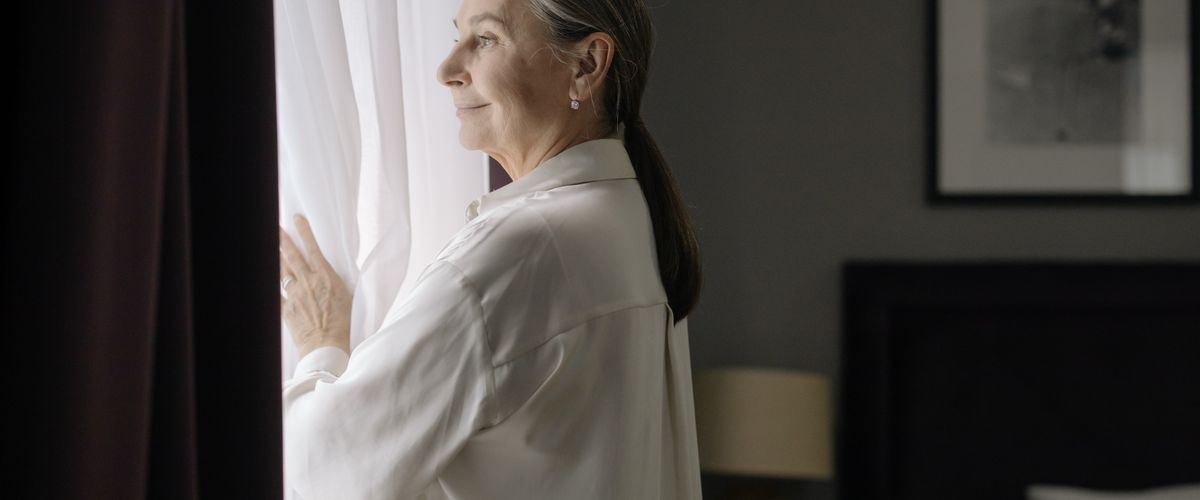
Most parents who are struggling will not tell you. They will say “I’m fine”, and mean it, because admitting otherwise feels like the start of losing everything. So the real answer is: don’t wait for them to admit it. Watch for the small, concrete signs below, and act before a crisis forces the issue.
1. Unopened bills and letters
A stack of unopened mail, especially utility bills and bank letters, means paperwork has become overwhelming or is being forgotten. Check for final reminders and overdue notices. This is often the very first sign, and the easiest to miss on a short visit.
2. Spoiled or empty fridge
Expired food, mouldy leftovers, or a fridge with almost nothing in it tells you cooking and shopping have quietly stopped. Your parent may be living on biscuits and tea because preparing a meal has become too much effort.
3. Noticeable weight loss
Weight loss follows naturally from the fridge. But it can also signal illness, depression, or difficulty swallowing, so treat it as a reason for a medical check, not just a nutrition problem.
4. Bruises they explain away
A bruise on the arm or hip, explained with a vague “I knocked into something”, often means a fall they didn’t tell you about. Falls are the event families most often wish they had acted on earlier. Ask gently, and watch how they move. Holding onto furniture while crossing the house is a sign too.
5. Medication going wrong
A pill box still full at the end of the week, or empty far too soon, means doses are being missed or doubled. For conditions like high blood pressure and diabetes, this is quietly dangerous. It is also one of the easiest problems to fix with a little daily help.
6. Withdrawn from friends and activities
A parent who stops going to the mosque, temple, church, or their usual morning coffee group is telling you something. The cause may be low mood, fear of falling, or embarrassment about incontinence, all treatable or manageable, but only once someone knows.
7. Poor hygiene
The same clothes for days, body odour, unwashed hair. Bathing becomes genuinely frightening when balance is poor: many older people would rather skip it than risk a fall in the bathroom. This is one of the clearest signs that hands-on help is needed.
8. New dents on the car
Fresh scratches, a knocked side mirror, a dented gate. Driving judgement fades gradually, and no parent wants to hand over the keys. Treat new damage as data, not clumsiness.
9. The stove left on
A burnt pot, a kettle boiled dry, a gas flame left burning. Every family has a story like this. Unlike most signs on this list, this one is a safety issue that cannot wait for a slow, gentle plan.
10. The “I’m fine” reflex
When every question gets the same quick answer (fine, fine), the reflex itself is information. It usually means pride is doing the talking. Your job is not to win the argument; it is to keep watching and keep the door open.
What to do first
Three steps, in this order.
Book a GP visit. Many of these signs have treatable causes: infections, medication side effects, thyroid problems, depression. Rule those out before assuming decline. A doctor’s words also carry weight that yours may not.
Have the honest conversation. Not an ambush, and not during a crisis. Our guide on talking to your parent about getting care walks through how to open it without triggering the “I’m fine” wall.
Trial a little help. You do not need to jump to a nursing home or even a live-in caregiver. A part-time caregiver for a few hours each morning, typically RM800 to RM2,400 a month, can cover bathing, meals, and medication while your parent stays in their own home. See what a part-time caregiver actually does and what home care costs before deciding.
If you’d rather talk it through first, you can speak to a care advisor. A short conversation about what you’re seeing is often enough to know what level of help fits.
Don’t wait for the crisis
Most families arrange care after the fall, the hospital admission, the phone call. The signs above almost always appear months earlier. Acting on them early is not overreacting. It is what keeps the decision in your hands instead of the emergency department’s. And if you want a second opinion on what you’re seeing, talk to a care advisor. You don’t have to work this out alone.
Frequently asked questions
What is the first sign that an elderly parent needs help?
Usually paperwork and food: unopened bills, an empty or spoiled fridge, and missed appointments tend to appear months before any dramatic event like a fall.
How do I know if it is dementia or just normal ageing?
Normal ageing is forgetting a name and remembering it later. Warning signs are repeating the same question within minutes, getting lost on familiar routes, or leaving the stove on. Only a doctor can tell the difference, so book a GP visit.
What should I do first if I notice these signs?
Start with a GP check-up to rule out treatable causes, then have an honest conversation with your parent, and consider a small trial of part-time help at home.
Is one fall a reason to arrange care?
One unexplained fall is a reason for a medical check and a home safety review. Repeated falls or unexplained bruises are a reason to act on care arrangements.