Post-Hospital Care for Elderly Parents in Malaysia
Published 2026-09-22 · By Elderly Care Malaysia (operated by Tenteram Care Sdn Bhd)
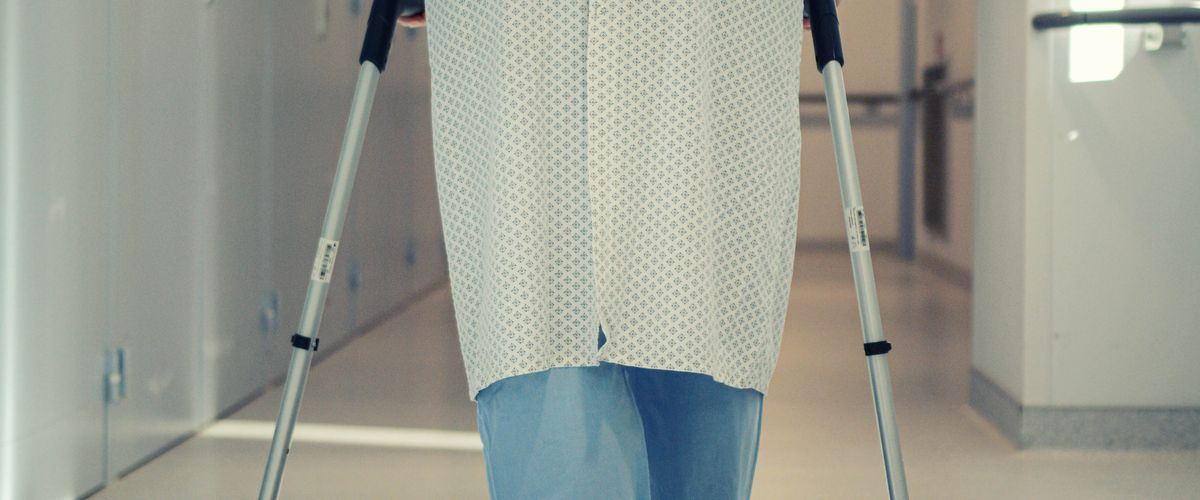
Post-hospital care (also: post-discharge care, convalescent care, rehab care at home, step-down care) : short-term care for an elderly person in the weeks after a hospital discharge, covering wound care, medication routines, mobility rebuilding, physiotherapy adherence and readmission prevention, until they are stable enough for a lighter long-term arrangement.
Post-hospital care bridges the gap between the day the hospital discharges your parent and the day your family is actually ready to cope. It covers wound care, medication routines, mobility rebuilding, physiotherapy adherence and readmission prevention at home, typically for 2-12 weeks. This page explains what the service includes, how long it lasts, and what it transitions into.
The discharge gap
Malaysian hospitals discharge elderly patients as soon as they are medically stable, not when the family is prepared. The result is a familiar scramble: your mother is coming home Friday with a surgical wound, six new medications, a walker she does not know how to use, and instructions to “do physio daily”. You work full-time. Nobody is home during the day. The discharge summary says “bed rest and wound care” and offers no suggestion for who is supposed to do it.
That gap, medically stable, functionally helpless, is exactly what post-hospital care exists to fill. It is also the period when elderly patients are most likely to be readmitted, usually for preventable reasons: a missed medication, a fall during a transfer, a wound that nobody dressed properly.
What post-hospital care covers
A post-hospital care plan is built from the discharge summary and typically includes:
- Wound care: dressing changes for surgical wounds, monitoring for infection, done by a nurse where clinical skill is needed
- Medication routines: the right pills at the right times, tracked against the discharge list, with changes flagged to the doctor
- Mobility rebuilding: safe transfers from bed to chair, supervised walking with the walker or frame, fall prevention during the weakest weeks
- Physiotherapy adherence: making sure the prescribed exercises actually happen daily, not just when the physiotherapist visits
- Nutrition and personal care: meals suited to recovery, bathing, toileting, keeping your parent clean and comfortable
- Readmission prevention: watching for the warning signs (fever, wound changes, new confusion, breathlessness) and getting a doctor involved early instead of at emergency stage
Clinical tasks are handled through home nursing visits; the daily routine is handled by a caregiver. A proper plan combines both.
How long it takes
| Situation | Typical duration |
|---|---|
| Planned surgery (hip, knee replacement) | 4 - 6 weeks |
| Fall with fracture | 6 - 8 weeks |
| Stroke | 8 - 12 weeks or more |
| Heart or abdominal surgery | 4 - 8 weeks |
| General deconditioning after illness | 2 - 6 weeks |
These are typical ranges, not promises, recovery speed depends on your parent’s age, baseline health and how consistently the rehab routine is followed. The treating doctor’s review dates are the real milestones.
Home care or a rehab facility?
A rehab facility for elderly patients (sometimes called a step-down or convalescent facility) suits those who need intensive, multiple-times-daily therapy and cannot yet be managed at home. Home-based post-hospital care suits those who are medically stable, recover better in familiar surroundings, and have family who want to stay involved. Many families also weigh a short stay in a nursing home with nursing support for the heaviest weeks - the honest answer depends on the therapy intensity the doctor prescribes and what the home can realistically support.
What it transitions into
Post-hospital care is deliberately temporary. As your parent recovers, the arrangement steps down:
- Weeks 1-4: the heaviest support: daily caregiver presence plus nursing visits for clinical tasks.
- Weeks 4-8: caregiver hours reduce as mobility returns; nursing visits taper off as wounds close.
- After recovery: the family decides what remains: a part-time caregiver for daily routines, a live-in caregiver if your parent should not be alone, or nothing further if recovery is full.
The care plan is reviewed at each step so you never pay for more care than your parent needs.
What it costs
Post-hospital care is quoted per care plan because every discharge is different. The building blocks are standard: nursing-trained visits at RM36-50+ per hour, physiotherapy at RM80-150 per session, and caregiver support priced at the usual part-time (RM800-2,400/month) or live-in (RM1,800-3,500/month) rates depending on how many hours a day your parent needs. A written quote before the start date is part of the service.
How to arrange it quickly
Discharge dates move, so contact us the moment the hospital mentions a discharge window, not on the day itself. Tenteram Care Sdn Bhd (SSM 202601016217) operates this site and provides this service in Kuala Lumpur, Selangor, Penang, Johor Bahru and Ipoh. Matching typically completes within 5 working days, and urgent discharge cases can often be arranged faster.
Talk to a care advisor with the discharge summary in hand, we will tell you what the first four weeks should look like.
Pricing model: Quoted per assessment. Quoted per care plan; combines nursing visits (RM36-50+/hour) with caregiver support at part-time or live-in rates.
Frequently asked questions
How long does post-hospital care usually last?
Typically 2 to 12 weeks depending on the condition. A straightforward hip replacement recovery may need 4-6 weeks of support; a stroke can need the full 12 weeks or more before the family can step down to a lighter arrangement.
What does post-hospital care at home include?
Wound care and dressing changes, medication routines, safe mobility and transfers, physiotherapy exercise adherence, meal preparation suited to recovery, and watching for warning signs that need a doctor. The goal is recovery without readmission.
Is home care or a rehab facility better after discharge?
A rehab facility suits patients who need intensive daily therapy and cannot be managed at home yet. Home-based post-hospital care suits patients who are medically stable and recover better in familiar surroundings, and it keeps the family involved. The discharge planner or treating doctor can advise which fits your parent's condition.
How quickly can post-hospital care start?
Fast, because discharge dates move. Tenteram Care typically completes matching within 5 working days, and urgent discharge cases can often be arranged faster. Contact us as soon as the hospital mentions a discharge window, not on the day itself.
What happens after post-hospital care ends?
Most families step down to a lighter arrangement: a part-time caregiver for daily routines, or a live-in caregiver if your parent should not be alone. Some recover fully and need nothing further. The care plan is reviewed at the end of the recovery period and adjusted to what is actually needed.