Culturally Specific Elderly Care in Malaysia
Published 2026-09-22 · By Elderly Care Malaysia (operated by Tenteram Care Sdn Bhd)
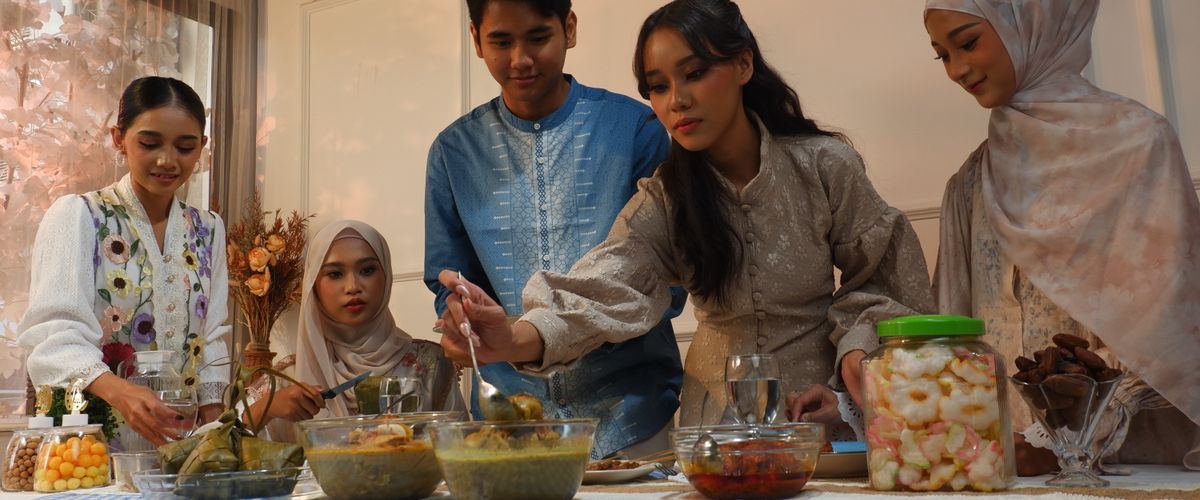
Culturally specific elderly care in Malaysia comes down to practical details: a caregiver who speaks your parent’s language, food prepared the right way, prayer routines respected, and festivals observed. These are not luxuries. For an elderly person, especially one with dementia, cultural mismatch is a daily stress, and cultural fit is a care quality issue. This guide covers what to look for and how to raise it with any provider.
Language: the match that matters most
Care runs on communication: pain, nausea, fear, confusion, small requests that make a day bearable. Many elderly Malaysians are most comfortable in their mother tongue (Malay, Mandarin, Tamil, English, or a Chinese dialect such as Cantonese, Hokkien, Hakka or Teochew) and people with dementia often revert to their first language as the condition progresses.
So treat language as a hard requirement, not a preference:
- Ask the provider for a language-matched caregiver, naming the specific language or dialect.
- Test it directly. Have the caregiver speak with your parent before committing. Five minutes of conversation tells you more than any brochure.
Food: halal, vegetarian and everything in between
Food is where culture becomes daily. For a Muslim parent, ask about halal sourcing and kitchen practice: not just “we serve halal food” but how the kitchen is run. Many Buddhist and Hindu families need vegetarian options handled properly, not as an afterthought. And across every community, familiar food is what elderly appetites respond to: a parent who picks at unfamiliar meals will often eat well when the cooking matches a lifetime of habit.
Ask to see a week’s menu. It is a fair request, and the answer is revealing.
Prayer and religious routines
Religious practice does not retire. Ask how the home or caregiver accommodates it:
- Solat times and prayer space for Muslim residents, and how Fridays are handled.
- Altar and prayer routines for Buddhist and Taoist parents.
- Prayer and fellowship for Christian parents; daily prayer practices for Hindu parents.
The specific question matters less than the pattern: a provider who answers these questions concretely has done this before. Vague reassurance has not.
Festivals and the family calendar
Hari Raya, Chinese New Year, Deepavali, Christmas: for most Malaysian families these are non-negotiable. Before placing a parent, ask:
- What are the visiting arrangements during festivals?
- Can my parent come home for the festival, and what does home leave involve?
- Do you mark festivals inside the home: festive meals, decorations, visiting hours?
Some families also observe ancestral occasions that matter deeply to an elderly parent. A good provider works around the family calendar rather than against it.
Faith-linked homes in Malaysia
For some families, the faith environment is the deciding factor, and Malaysia has options: Buddhist, Christian, Muslim and Hindu organisations all run charity homes, usually on a donation basis, free to around RM1,500 a month, with waiting lists common. Our free old folks homes guide covers how they work.
One caution, offered respectfully: a shared faith does not guarantee care standards. Check the home’s registration and licensing exactly as you would for any facility (the JKM vs MOH licence guide explains what to verify) and visit in person before deciding.
Why families search by culture, and how to raise it with any provider
Searches like “Indian nursing homes in Malaysia” or “Chinese old folks home” are not about separation. They encode practical needs: a parent who will be understood, fed food they will eat, and able to practise their faith. You have two routes to that outcome, and both are legitimate:
- Choose a culturally specific home where the environment matches by default.
- Choose a good mainstream provider and state your requirements explicitly. Most cultural needs (language match, halal food, prayer routines, festival arrangements) can be met by any provider willing to accommodate them, if you raise them clearly.
Whichever route you take:
- Put the requirements in writing before signing.
- Ask for a language-matched caregiver by name of language or dialect.
- Ask specific questions (kitchen practice, prayer space, festival policy), not “are you culturally sensitive?”
- Agree a review after the first month, so mismatches surface early.
The questions to ask a nursing home checklist pairs well with this page.
A respectful checklist
Before committing to any provider, confirm: language match, food practice, prayer accommodation, festival policy, and a first-month review. Five items, one conversation.
At Tenteram Care, language and cultural fit are part of how we match caregivers to families. Talk to a care advisor and tell us what your parent needs, in whichever language they need it.
Culture in care is not about labels. It is about an elderly person hearing their own language, eating their own food, and keeping their own faith, every single day.
Frequently asked questions
Why does language matter in elderly care?
Care is built on communication, and many elderly Malaysians are most comfortable in their mother tongue, especially those with dementia, who often revert to their first language. A caregiver who speaks your parent's language is not a luxury; it is a care quality issue.
Are there faith-linked elderly homes in Malaysia?
Yes. Buddhist, Christian, Muslim and Hindu organisations run charity homes, usually on a donation basis with waiting lists. Check the home's registration and care standards the same way you would for any facility.
How do I arrange halal care for a Muslim parent?
Ask the provider directly about halal food sourcing and kitchen practice, accommodation of solat times and prayer space, and Friday arrangements. State the requirements explicitly, in writing, before signing.
Do I have to choose a culturally specific home to get culturally appropriate care?
No. A good mainstream provider accommodates language, food, prayer and festival needs if you raise them clearly. Culturally specific homes are one route; explicit requirements with any provider are the other.
Why do families search for 'Indian nursing homes' or 'Chinese old folks homes'?
These searches reflect practical needs (language, familiar food, religious routines) rather than a preference for separation. Families want a parent who will be understood, fed properly and able to practise their faith.